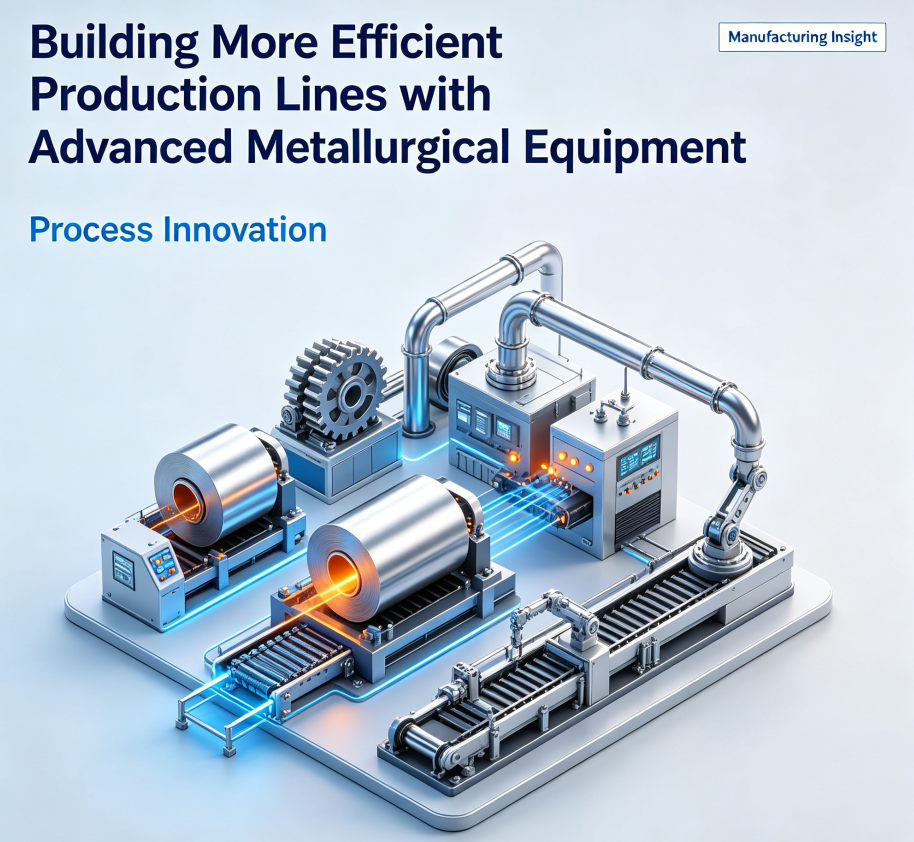
Building More Efficient Production Lines with Advanced Metallurgical Equipment
Modern Production Starts with Better Metallurgical Equipment
Walk into a modern steel plant today and you'll notice something interesting.
The furnaces are still enormous. Rolling mills are still powerful. Continuous casting machines still dominate entire production halls. At first glance, the industry doesn't seem to have changed that much.
Look a little closer, though, and it's a different story.
Today's Metallurgical Equipment is smarter, more precise, and far more connected than it was even ten years ago. Sensors continuously monitor temperatures, automated systems adjust rolling pressure in real time, and digital quality inspection identifies deviations before they become costly defects.
For steel producers and metal processors, this isn't simply about adopting new technology. It's about building production lines that deliver higher output, lower energy consumption, better product consistency, and fewer unexpected shutdowns.
That matters more than ever.
According to the World Steel Association, global crude steel production exceeded 1.88 billion tonnes in 2024, making manufacturing efficiency one of the industry's biggest competitive advantages. At the same time, energy costs, labor shortages, stricter environmental regulations, and growing demand for premium steel products continue to push manufacturers toward equipment upgrades.
For procurement teams, project managers, and plant engineers, choosing the right Metallurgical Equipment has become a long-term investment decision rather than a simple purchasing task.
Table of Contents
· Why Metallurgical Equipment Is More Important Than Ever
· What Is Metallurgical Equipment?
· Core Equipment Used in Modern Metallurgical Production Lines
· How Advanced Metallurgical Equipment Improves Manufacturing Efficiency
· Engineering Considerations Before Equipment Selection
· Equipment Comparison Table
Why Metallurgical Equipment Matters in Modern Manufacturing
Every metal product begins somewhere.
Whether producing structural steel, automotive sheet, stainless steel, aluminum alloys, or specialty metals, the manufacturing process depends on equipment capable of handling extreme temperatures, heavy mechanical loads, and continuous operation.
Modern metallurgical machinery is expected to achieve several objectives simultaneously:
· Increase production capacity
· Maintain stable product quality
· Reduce energy consumption
· Improve equipment utilization
· Minimize maintenance downtime
· Support environmental compliance
These goals are becoming increasingly difficult to achieve using aging production systems.
According to the International Energy Agency (IEA), the iron and steel industry accounts for roughly 7–9% of global energy demand and around 7% of energy-related CO₂ emissions. Improving production efficiency through advanced equipment has therefore become an important strategy for both cost reduction and sustainability.
Today's production managers aren't simply asking, "Can this machine produce steel?"
They're asking:
· Can it reduce scrap?
· Can it improve yield?
· Can it lower maintenance costs?
· Can it operate reliably for decades?
Those are very different questions.
What Is Metallurgical Equipment?
Metallurgical Equipment refers to the machinery and engineered systems used throughout metal production, processing, refining, forming, and finishing operations.
Rather than being a single machine, it represents an integrated production system.
Depending on the production process, equipment may include:
· Industrial furnace equipment
· Continuous casting equipment
· Rolling mill equipment
· Heat treatment systems
· Material handling equipment
· Cooling systems
· Hydraulic systems
· Dust collection equipment
· Automation and process control systems
Every stage influences the next.
For example, poor temperature control inside a reheating furnace can negatively affect rolling quality. Likewise, unstable casting conditions often create defects that become impossible to eliminate during downstream processing.
This is why modern metal processing equipment is increasingly designed as one coordinated manufacturing system rather than isolated machines.
Core Types of Metallurgical Equipment
Although production lines differ depending on the material being processed, several categories of equipment appear in almost every modern steel or metal processing facility.
Industrial Furnace Equipment
Heat is the foundation of metallurgy.
Industrial furnaces perform essential functions such as:
· Melting raw materials
· Heating billets before rolling
· Heat treatment
· Annealing
· Normalizing
· Stress relieving
Temperature uniformity directly affects grain structure, mechanical properties, and overall product quality.
Today's furnaces increasingly incorporate intelligent combustion control, waste heat recovery systems, and digital temperature monitoring to improve thermal efficiency.
Continuous Casting Equipment
Continuous casting has largely replaced traditional ingot casting in modern steel production.
Instead of producing individual ingots, molten steel is continuously solidified into slabs, blooms, or billets.
Advantages include:
· Higher productivity
· Reduced material loss
· Improved product consistency
· Lower production cost
· Better internal quality
Modern continuous casting equipment also integrates electromagnetic stirring, mold monitoring, and automatic breakout detection systems to improve casting stability.
Rolling Mill Equipment
Once steel has solidified, it usually passes through rolling mills to achieve the required dimensions and mechanical properties.
Modern rolling mill equipment may include:
· Roughing mills
· Finishing mills
· Plate mills
· Wire rod mills
· Section mills
· Cold rolling mills
High-precision automatic gauge control (AGC) systems allow manufacturers to maintain tighter thickness tolerances while reducing material waste.
Material Handling Systems
Metal production isn't only about furnaces and rolling mills.
Efficient transportation of raw materials and semi-finished products also plays a significant role.
Typical systems include:
· Roller tables
· Conveyors
· Charging equipment
· Cranes
· Transfer cars
· Automated storage systems
Poor material flow often becomes an unexpected bottleneck in otherwise advanced production facilities.
How Advanced Metallurgical Equipment Improves Production Lines
Equipment upgrades rarely improve just one performance indicator.
Instead, improvements usually occur across multiple areas simultaneously.
Higher Production Efficiency
Automation has significantly reduced manual intervention throughout modern metallurgical production lines.
Integrated control systems coordinate:
· Furnace temperatures
· Casting speed
· Rolling pressure
· Cooling rate
· Material transportation
Because these processes communicate with one another, production becomes more stable while reducing unnecessary downtime.
Better Product Consistency
Manufacturers increasingly compete on quality rather than volume alone.
Digital sensors continuously monitor production variables, helping maintain:
· Dimensional accuracy
· Surface quality
· Temperature consistency
· Chemical composition stability
· Mechanical property repeatability
This is particularly important for industries such as automotive, aerospace, renewable energy, and heavy equipment manufacturing, where material consistency directly affects downstream performance.
Lower Operating Costs
Advanced steel manufacturing equipment often requires greater initial investment.
However, operating costs frequently decrease through:
· Lower energy consumption
· Reduced material waste
· Predictive maintenance
· Fewer unplanned shutdowns
· Higher equipment utilization
In many cases, lifecycle operating costs become substantially lower despite higher acquisition costs.
Improved Workplace Safety
Safety has become another major driver of automation.
Modern systems reduce operator exposure to:
· High temperatures
· Molten metal
· Heavy material handling
· Dust
· Hazardous environments
Remote operation and automated inspection technologies further improve workplace safety while reducing labor intensity.
Engineering Considerations Before Selecting Metallurgical Equipment
Purchasing new equipment is rarely just about machine specifications.
Several engineering factors should be evaluated early in the project.
Production Capacity
Equipment should match expected long-term production demand rather than current output alone.
Oversized systems increase capital investment, while undersized equipment quickly becomes a production bottleneck.
Finding the right balance requires realistic production forecasting.
Material Compatibility
Different metals behave differently during processing.
Carbon steel, stainless steel, aluminum alloys, copper alloys, and specialty metals all require different process parameters.
Equipment should therefore be selected based on:
· Operating temperature
· Material characteristics
· Production process
· Required product quality
Customization often provides greater long-term value than purchasing standard equipment.
Automation Capability
Modern custom metallurgical equipment increasingly incorporates:
· PLC control systems
· SCADA monitoring
· Industrial Internet of Things (IIoT)
· Data acquisition
· Predictive maintenance software
These technologies not only improve production efficiency but also provide valuable operational data for continuous improvement.
Maintenance Accessibility
The best equipment is not necessarily the most complicated.
Maintenance engineers generally appreciate systems designed for easy inspection, quick component replacement, and simplified preventive maintenance.
Reducing maintenance time often produces larger financial benefits than increasing production speed by a small percentage.
Typical Metallurgical Equipment Across Different Production Stages
Production Stage | Main Equipment | Primary Function | Key Performance Focus |
Raw Material Preparation | Material Handling Equipment | Charging and transport | Stable material flow |
Melting | Industrial Furnace Equipment | Metal melting and refining | Energy efficiency |
Casting | Continuous Casting Equipment | Form billets, blooms, slabs | Internal quality |
Rolling | Rolling Mill Equipment | Thickness and shape control | Dimensional accuracy |
Heat Treatment | Heat Treatment Furnace | Mechanical property optimization | Temperature uniformity |
Inspection | Quality Inspection Systems | Product verification | Consistency and traceability |
This production chain illustrates an important point.
No single machine determines manufacturing success.
Instead, the overall efficiency of a Metallurgical Equipment production line depends on how well every piece of equipment works together. A highly efficient rolling mill cannot compensate for unstable casting quality, just as an advanced furnace cannot overcome poor downstream process control.
Quality Control, Smart Manufacturing, and Long-Term Value
Buying Metallurgical Equipment is rarely a one-time decision. In most steel plants, aluminum mills, or non-ferrous metal processing facilities, major equipment is expected to remain in service for 20 to 30 years, sometimes even longer with proper upgrades and maintenance.
That changes the conversation.
Instead of asking, "Which supplier offers the lowest quotation?", experienced project managers usually ask different questions:
· Can this production line remain stable under full capacity?
· Is maintenance straightforward?
· Can spare parts still be obtained ten years from now?
· Will the automation system support future upgrades?
· Does the supplier have proven engineering experience?
Those questions often determine the real return on investment.
Smart Manufacturing Is Reshaping Metallurgical Equipment
The steel industry has traditionally been equipment-intensive. Today, it is becoming data-intensive as well.
Modern metallurgical machinery is no longer just mechanical equipment. It is increasingly integrated with digital technologies that monitor, analyze, and optimize production in real time.
Industrial Automation
Automation now extends across nearly every stage of a metallurgical production line.
Typical systems include:
· PLC-based control systems
· SCADA supervisory platforms
· Human-Machine Interface (HMI)
· Automatic process control (APC)
· Distributed Control Systems (DCS)
Rather than relying entirely on operator experience, production parameters are continuously adjusted according to real-time process data.
For example, rolling force can be automatically optimized based on billet temperature and thickness measurements, reducing dimensional variation without manual intervention.
Predictive Maintenance
Unexpected shutdowns are among the most expensive problems in heavy industry.
Modern steel manufacturing equipment increasingly uses predictive maintenance technologies such as:
· Vibration monitoring
· Bearing temperature analysis
· Lubrication condition monitoring
· Infrared thermal imaging
· Motor current analysis
Instead of waiting for equipment to fail, engineers can identify abnormal operating conditions early and schedule maintenance during planned production stops.
According to McKinsey & Company, predictive maintenance programs can reduce maintenance costs by 10–40% while decreasing equipment downtime by up to 50%, depending on the application and implementation.
Digital Twin Technology
One of the fastest-growing technologies in metallurgy is the Digital Twin.
A digital twin creates a virtual model of physical Metallurgical Equipment, allowing engineers to simulate production conditions before making process adjustments.
Potential benefits include:
· Faster production optimization
· Lower commissioning risk
· Better energy management
· Reduced process variability
· Improved maintenance planning
Although digital twins are still being adopted gradually, many large steel producers already use them for continuous process improvement.
Quality Standards That Buyers Should Understand
Quality in metallurgy is not determined only by machining accuracy.
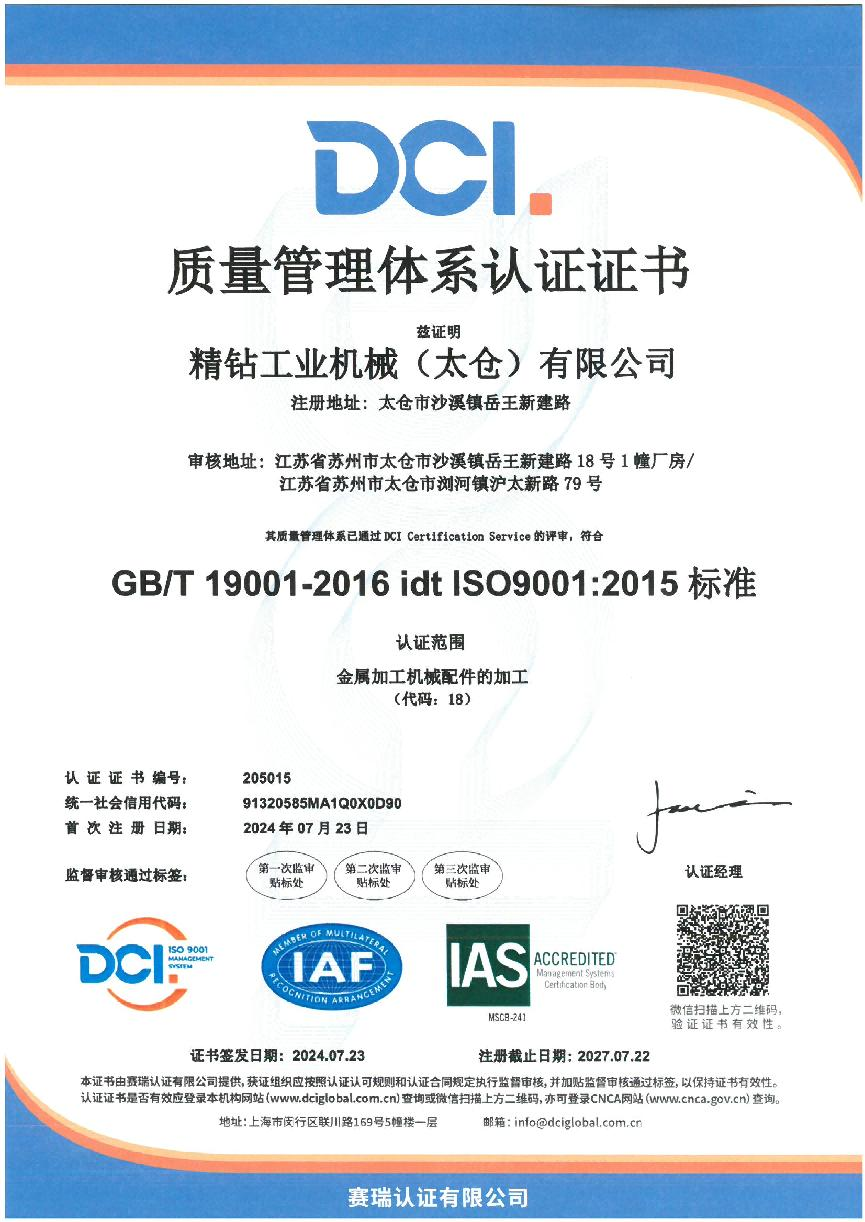
Reliable industrial metallurgical equipment must meet internationally recognized manufacturing standards, quality systems, and engineering documentation requirements.
Some of the most widely recognized standards include:
Standard | Purpose | Industry Application |
ISO 9001 | Quality Management System | General manufacturing |
ISO 14001 | Environmental Management | Sustainable production |
ISO 45001 | Occupational Health & Safety | Industrial facilities |
CE Marking | European regulatory compliance | Equipment exported to Europe |
IEC Standards | Electrical systems and automation | Industrial control equipment |
For projects involving pressure vessels, heavy machinery, or specialized processing systems, additional regional or customer-specific standards may also apply.
Certification alone does not guarantee excellent equipment.
However, it demonstrates that the manufacturer operates within a structured quality management framework.
Choosing the Right Metallurgical Equipment Supplier
Selecting equipment involves much more than comparing technical brochures.
After working on several industrial projects, one lesson becomes very clear:
The supplier often determines the success of the entire production line.
Engineering Capability
A strong supplier contributes during the design stage, not only after receiving drawings.
Experienced engineering teams can recommend:
· Better equipment layouts
· Improved production flow
· Easier maintenance access
· Lower operating costs
· Higher equipment utilization
These recommendations often save far more money than negotiating a slightly lower purchase price.
Manufacturing Experience
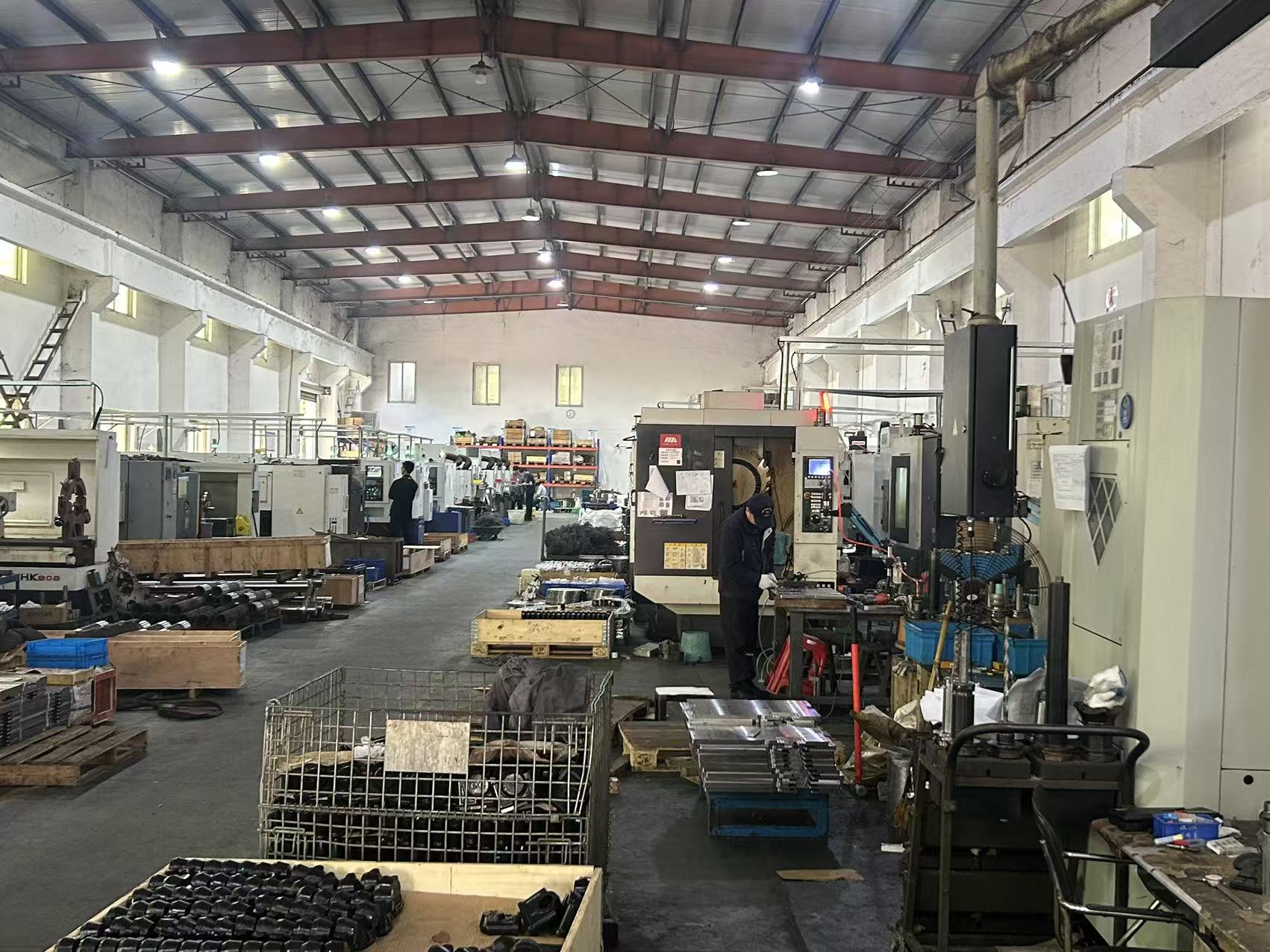
Heavy industrial equipment requires extensive manufacturing expertise.
Buyers should evaluate whether the supplier possesses:
· Large CNC machining capacity
· Heavy welding capability
· Precision assembly workshops
· Heat treatment facilities
· Dynamic balancing equipment
· Factory acceptance testing (FAT) capability
The more manufacturing processes completed in-house, the easier it becomes to maintain quality consistency.
Technical Support
Production begins after installation—not before.
Reliable suppliers continue supporting customers through:
· Equipment commissioning
· Operator training
· Spare parts management
· Preventive maintenance planning
· Remote technical assistance
Long-term technical support often becomes more valuable than the equipment itself.
Common Procurement Mistakes
Even experienced purchasing teams occasionally focus on the wrong priorities.
Several mistakes appear repeatedly across industrial projects.
Choosing Equipment Based Only on Price
Lower purchase prices may appear attractive during bidding.
However, equipment operating for twenty years generates costs far beyond initial investment.
These include:
· Energy consumption
· Maintenance
· Spare parts
· Downtime
· Production losses
Lifecycle cost should always receive greater attention than purchase price alone.
Ignoring Automation Compatibility
Many factories continue upgrading production lines gradually.
Equipment purchased today should therefore support future automation systems, communication protocols, and software integration.
Otherwise, expensive retrofitting becomes unavoidable later.
Underestimating Spare Parts Availability
Imported equipment sometimes offers excellent performance but limited long-term spare part support.
Before signing contracts, buyers should confirm:
· Spare part availability
· Delivery lead times
· Local service capability
· Technical documentation
· Software update policies
Small details become important several years after installation.
Industry Case Study: Danieli's Intelligent Steel Plant Solutions
One well-documented example comes from Danieli, one of the world's leading suppliers of steel production technologies.
Over recent years, Danieli has implemented intelligent automation systems across multiple steel plants worldwide by combining advanced rolling mill equipment, continuous casting technology, process automation, and digital monitoring platforms.
Their integrated Danieli Automation systems allow manufacturers to monitor production in real time, optimize energy consumption, improve rolling accuracy, and reduce process variability across entire production lines.
Instead of improving individual machines independently, the company focuses on optimizing the complete manufacturing process—from furnace operation through casting, rolling, inspection, and logistics.
This approach reflects a broader industry trend.
Today's competitive advantage comes from production line integration rather than standalone equipment performance.
Source: Danieli Official Technical Publications; World Steel Association.
Looking Beyond Purchase Price
A useful way to evaluate Metallurgical Equipment is by considering its entire operating life.
Evaluation Factor | Short-Term View | Long-Term View |
Purchase Cost | Initial investment | Total ownership cost |
Productivity | Rated capacity | Stable long-term output |
Maintenance | Repair expenses | Predictive maintenance efficiency |
Energy Use | Daily consumption | Lifetime operating savings |
Reliability | Warranty period | Equipment availability over decades |
Technical Support | Installation | Continuous engineering assistance |
Many manufacturers eventually discover that equipment with a slightly higher purchase price delivers substantially lower operating costs over its service life.
Frequently Asked Questions
What industries use metallurgical equipment?
Besides steel manufacturing, Metallurgical Equipment is widely used in aluminum production, copper processing, nickel refining, titanium manufacturing, foundries, mining, heavy engineering, and specialty alloy production.
How long does metallurgical equipment typically last?
Large industrial equipment commonly operates for 20 to 30 years or more with proper preventive maintenance, modernization, and replacement of wear components.
Why is automation becoming essential in metallurgy?
Automation improves process consistency, reduces manual errors, lowers operating costs, enhances workplace safety, and provides real-time production data for continuous optimization.
How can buyers identify reliable metallurgical equipment manufacturers?
A strong supplier typically demonstrates:
· Proven project references
· Comprehensive engineering capability
· Modern manufacturing facilities
· International quality certifications
· Strong after-sales technical support
· Long-term spare parts availability
Final Thoughts
The future of Metallurgical Equipment is no longer defined solely by larger furnaces or faster rolling mills.
It is being shaped by intelligent automation, precision engineering, digital manufacturing, energy efficiency, and integrated production management.
As global manufacturers continue facing pressure to improve productivity while reducing emissions and operating costs, equipment selection becomes a strategic business decision rather than a purchasing exercise.
For plant owners, procurement managers, and engineering teams, evaluating equipment based on lifecycle performance—not simply acquisition cost—will deliver the greatest long-term value.
Investing in advanced Metallurgical Equipment means investing in production stability, product quality, operational flexibility, and sustainable growth for years to come.
If you're planning a new production line or upgrading an existing facility, start by reviewing your process requirements, production goals, and future expansion plans. A well-designed equipment solution today will continue creating value long after installation is complete.